Exploring the psychology of risk Why gamblers take chances
The Thrill of Uncertainty
One of the primary reasons gamblers engage in high-risk activities is the inherent thrill that comes from uncertainty. The unpredictability of outcomes can create a rush of adrenaline, compelling individuals to seek out experiences that stimulate their senses. For many, the anticipation of winning or losing triggers a chemical response in the brain, releasing dopamine and fostering a sense of excitement that is hard to replicate in everyday life. This psychological high can create a compelling urge to return to gambling environments. Players can also explore options at payid casino, where the excitement is amplified.
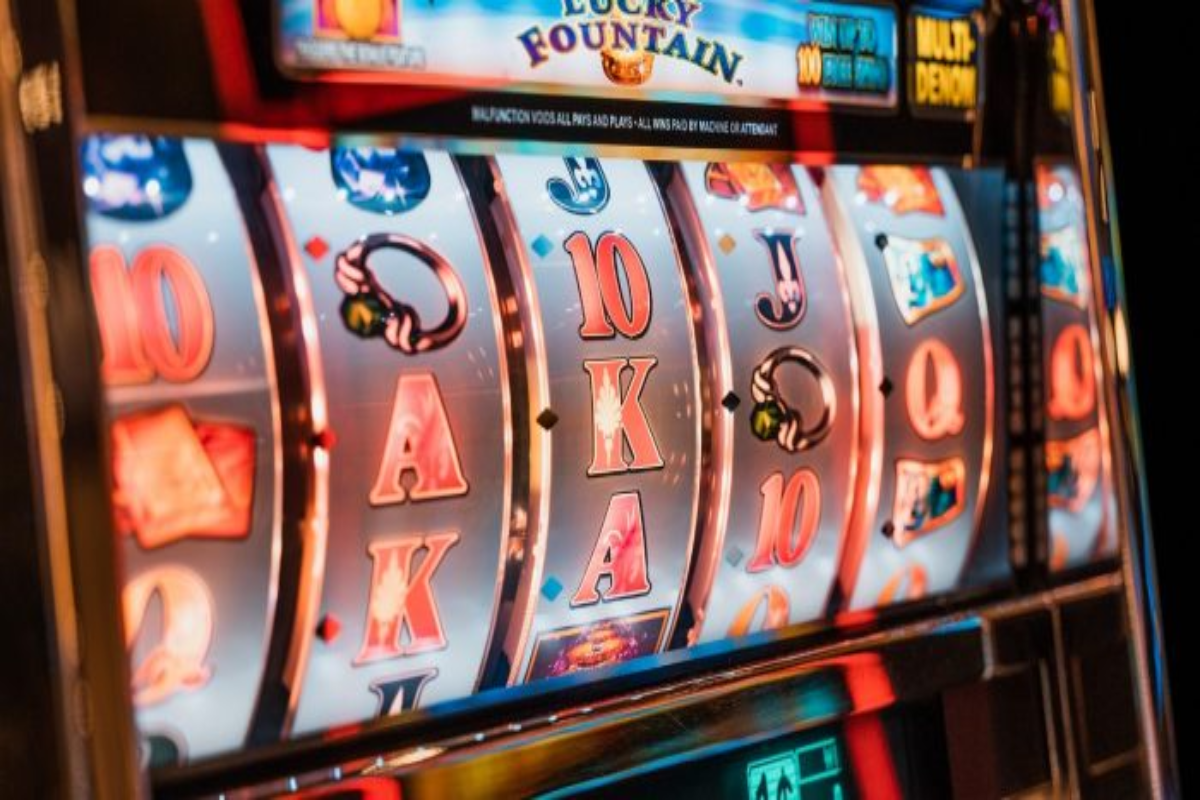
Moreover, the thrill of uncertainty goes hand-in-hand with the concept of ‘near misses.’ When gamblers experience outcomes that are close to winning, such as a slot machine that almost lands on a jackpot, they often feel encouraged to continue playing. This phenomenon can be explained by cognitive biases, where players misinterpret their experiences, believing they are just a step away from a big win. Such misperceptions can heighten their risk-taking behavior, drawing them deeper into gambling.
In essence, the thrill of uncertainty serves as a magnet for gamblers. It pulls them toward venues and experiences that promise excitement and adventure. This need for excitement often overshadows the potential for financial loss, allowing individuals to justify their continued engagement in high-risk activities. Understanding this psychological aspect sheds light on why some people become repeat gamblers despite facing significant risks.
The Role of Cognitive Bias
Cognitive biases significantly influence a gambler’s decision-making process. One prevalent bias is the illusion of control, where individuals believe they can influence or predict random events. Gamblers often develop strategies or rituals they associate with winning, such as wearing lucky clothing or using specific betting patterns. This belief can lead to increased gambling frequency, as players feel empowered, even when the reality is that outcomes are beyond their control.
Additionally, the gambler’s fallacy plays a crucial role. This is the belief that past events affect future outcomes in games of chance. For instance, if a roulette ball lands on red multiple times, a player may feel that black is ‘due’ and increase their bets accordingly. This misinterpretation of probability can lead to more significant financial risks, as gamblers chase losses with the false hope of a reversal in fortune.
Ultimately, cognitive biases can create a distorted view of reality that encourages risk-taking. Gamblers become ensnared in a cycle of overconfidence and misjudgment, often leading them to make decisions that defy logical reasoning. Understanding these cognitive traps is crucial for recognizing the psychological underpinnings of gambling behavior and the risks that come with it.
Societal influences, including peer pressure and cultural attitudes, play a significant role in shaping an individual’s propensity to gamble. In many cultures, gambling is often viewed as a social activity that promotes camaraderie and bonding. This social acceptance can encourage individuals to participate, even when they may not have a strong desire to gamble independently. The communal aspect of gambling can amplify feelings of excitement and, at times, lead to reckless decision-making.
Moreover, advertising and media portrayals of gambling can glamorize risk-taking behavior. The imagery associated with casinos and sports betting often depicts wealth, luxury, and success, creating a narrative that aligns risk with rewards. This depiction can distort an individual’s perception of the likelihood of winning, fostering an environment where high-risk gambling seems more appealing. When society continuously reinforces these narratives, individuals may feel pressured to conform and take chances.
In conclusion, societal influences are deeply intertwined with personal motivations for gambling. The combination of peer pressure, cultural norms, and media representations creates a milieu in which risk-taking is not just normalized but celebrated. Understanding the broader societal context is essential for grasping why many individuals are drawn to gambling, despite the risks involved.
The Psychological Impacts of Gambling
The psychological impacts of gambling can be profound and multifaceted. While many view gambling as a form of entertainment, for some individuals, it can lead to addiction and a host of emotional issues. The cycle of winning and losing can cause fluctuations in mood and self-esteem, resulting in anxiety, depression, or even suicidal tendencies in severe cases. This emotional toll often stems from the inability to control gambling behaviors, leading to a cycle of shame and regret.
Additionally, the financial consequences of gambling can exacerbate psychological distress. Many gamblers experience significant losses, which can lead to financial instability and increased stress. As individuals chase losses, the financial burden can grow, creating a vicious cycle that heightens emotional distress. The impact on personal relationships can also be significant, with trust issues and conflict arising from secretive gambling behaviors.
Overall, the psychological impacts of gambling are complex and often detrimental. Understanding these effects is vital for recognizing the signs of gambling addiction and the need for support. By addressing the psychological dimension of gambling, individuals can better navigate their relationship with risk and seek help when needed.
Discover Your Ideal Casino Experience
For those intrigued by the psychology of risk and interested in exploring their own gambling tendencies, finding the right online casino can enhance the experience. A variety of online platforms offer unique features, including user-friendly interfaces, engaging gameplay, and attractive bonuses. Selecting a casino that aligns with your preferences can provide not just entertainment, but also a safer environment to indulge in gambling.
Exploring online casinos with a focus on secure payment methods, such as PayID, can further enhance the gaming experience. Fast transactions and robust security measures ensure that players can enjoy the thrill of gambling without compromising their personal information. Comprehensive reviews and expert recommendations can guide players in selecting casinos that prioritize both enjoyment and security.
Ultimately, navigating the world of online gambling requires awareness of the psychological factors at play. By engaging with reputable online casinos, players can maximize their enjoyment while being mindful of the risks associated with gambling. An informed approach to gambling can lead to a more fulfilling experience, balancing excitement with responsibility.