Exploring the psychological effects of gambling on decision-making behavior
The Nature of Decision-Making in Gambling
Gambling involves complex decision-making processes influenced by various psychological factors. Players often find themselves weighing the risks and rewards of their choices, leading to strategic thinking. The nature of these decisions can be heavily impacted by the thrill of potential winnings, which can cloud judgment. This excitement may lead individuals to engage in riskier behaviors than they normally would in non-gambling scenarios, such as those found at extremespins32.com.

Furthermore, the psychological principle of loss aversion plays a crucial role in gambling decisions. Individuals tend to feel the pain of losing more acutely than the pleasure of winning. This phenomenon can lead to a cycle of chasing losses, where players continue to gamble in hopes of recouping their money, despite increasing the risk of further losses. Such cognitive biases significantly alter how decisions are made during gameplay.
Addiction can also affect decision-making processes within gambling contexts. Compulsive gamblers often exhibit impaired judgment, prioritizing immediate rewards over long-term consequences. This can result in irrational betting patterns, where decisions seem to be driven more by emotional responses rather than logical reasoning. Understanding these dynamics is essential for recognizing how gambling influences human behavior on multiple levels.
The psychological effects of gambling extend beyond mere decision-making; they can profoundly impact an individual’s behavior and lifestyle. Many gamblers experience heightened anxiety and stress, particularly when they are in a losing streak. This emotional turmoil can lead to impulsive decisions, as players may gamble in an attempt to alleviate their discomfort. Consequently, this creates a vicious cycle where poor decisions compound feelings of distress and regret.
Another significant psychological effect is the reinforcement of risky behaviors. Gamblers often find themselves caught in a feedback loop where the excitement from wins reinforces the desire to keep playing, even in the face of losses. This reinforcement can lead to a skewed perception of luck and probability, causing individuals to believe they can influence outcomes that are inherently random. As a result, they may make increasingly irrational decisions based on this false sense of control.
Social influences also play a vital role in shaping gambling behaviors. Individuals may be more likely to gamble in social settings where peers endorse or encourage such activities. The social aspect can lead to decisions that prioritize group dynamics over personal rationality, further blurring the lines of responsible gambling. Understanding these psychological impacts is crucial in recognizing how gambling can dictate not just individual choices, but also the collective behavior of groups.
Cognitive biases significantly influence how gamblers process information and make decisions. One of the most prevalent biases is the illusion of control, where players believe they can influence random outcomes. This can lead to misguided strategies, as individuals may engage in behaviors that provide them a false sense of mastery over the game. For instance, a player might believe that choosing specific numbers in a lottery can increase their chances of winning, despite the odds being entirely random.
Another common cognitive bias in gambling is the gambler’s fallacy. This belief suggests that past outcomes affect future results, leading individuals to make decisions based on previous winning or losing streaks. For example, if a player experiences a series of losses, they may wrongly assume a win is ‘due’ to occur, prompting further gambling despite the odds remaining unchanged. These biases highlight the irrational elements at play in decision-making processes, often causing significant financial and emotional repercussions.
Moreover, overconfidence is a powerful cognitive bias affecting gamblers. When players experience a win, they may feel an inflated sense of confidence, leading them to make riskier bets. This can escalate into reckless decision-making, as the individual may underestimate the odds of losing. Recognizing the impact of these cognitive biases is essential for promoting better decision-making practices in gambling environments.
The long-term psychological consequences of gambling can be profound, significantly altering an individual’s decision-making capabilities. Chronic gambling can lead to diminished cognitive function and impaired judgment. Individuals may find it increasingly difficult to evaluate risks accurately, leading to a pattern of consistently poor financial and personal decisions. Over time, this can result in detrimental effects on their relationships, work, and overall quality of life.
Moreover, gambling addiction can manifest in various mental health issues, such as depression, anxiety, and substance abuse. The compounding stress from financial losses and strained relationships can create a negative feedback loop, perpetuating poor decision-making. As mental health deteriorates, the capacity for rational thinking diminishes, making it even harder for individuals to break free from the cycle of gambling. Understanding these long-term consequences is vital for developing effective interventions and support systems.
In addition to personal consequences, the broader societal implications of gambling-related decision-making cannot be overlooked. Increased rates of bankruptcy, crime, and social dysfunction can be traced back to gambling addictions. Communities may face challenges in supporting individuals struggling with these issues, and resources may become strained. Addressing the psychological effects of gambling is critical not only for individual health but also for the well-being of society as a whole.
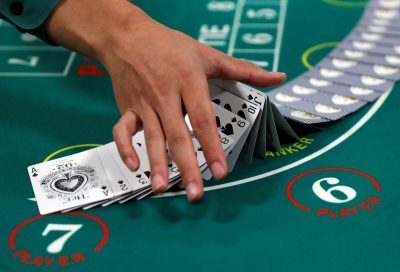
At Extreme Spins Casino, we understand the allure of gambling and its potential psychological impacts on decision-making behavior. Our platform is designed with player safety and enjoyment in mind. We provide a vast selection of games, ensuring that our community can explore various options while remaining aware of the potential risks associated with gambling.
We prioritize responsible gambling practices and offer resources to help players make informed decisions. Our environment encourages users to engage with games in a fun and safe manner while promoting healthy boundaries. By joining Extreme Spins Casino, you become part of a community that values not only thrilling gameplay but also the mental well-being of its members.
“`