The cultural significance of casinos in shaping modern society
The Evolution of Casinos and Their Role in Society
Casinos have undergone a significant evolution from their inception in the early days of gambling. Initially, they were small establishments focused on card games and dice, primarily serving the elite. As they expanded, particularly in the 20th century, casinos became larger, multi-faceted complexes that offered a variety of entertainment options. This transformation reflects broader societal changes, where leisure activities have diversified, and gambling has emerged as a mainstream form of entertainment. Players can explore a wide range of experiences at a Non GamStop Casino, ensuring access to different gaming possibilities.
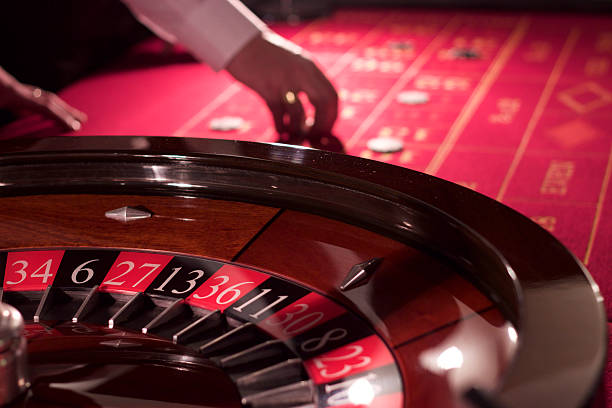
The rise of casinos has also paralleled shifts in technology and globalization. In the age of digitalization, online casinos have emerged, allowing players from various backgrounds to engage with gambling in a virtual environment. This accessibility has transformed how individuals perceive gambling, breaking down traditional barriers and making it a common leisure pursuit. The incorporation of technology in casinos has not only reshaped gaming experiences but has also expanded the cultural significance of gambling in modern society.
Furthermore, casinos have established themselves as critical components of tourism, especially in destinations like Las Vegas and Macau. These cities rely heavily on the influx of visitors attracted by their vibrant casino cultures. The economic impact is profound, contributing significantly to local and national economies through job creation, tax revenue, and enhanced infrastructure. As such, casinos are not only entertainment venues but also essential economic engines that influence modern urban development and cultural identity.
The Social Dynamics and Casino Culture
Casinos are often viewed as microcosms of society, reflecting various social dynamics and cultural interactions. They serve as social gathering places where people from diverse backgrounds can come together, fostering a sense of community. The interactions within casinos, whether between patrons or between patrons and staff, can reveal a lot about social behaviors and norms, including themes of luck, risk, and reward.
Moreover, casino culture is steeped in rituals and traditions that contribute to its unique social fabric. Games like poker and blackjack, for example, are more than just gambling activities; they are steeped in strategies, bluffing, and camaraderie. Such games often involve social interactions that can lead to friendships, rivalries, and shared experiences, further enhancing their cultural relevance. The atmosphere of a casino—buzzing with excitement and anticipation—becomes a shared experience that transcends individual backgrounds.
Casinos also play a role in shaping perceptions of wealth and success. The allure of high-stakes gambling attracts individuals who seek not only financial gain but also a sense of thrill and escapism. This cultural narrative often influences societal values surrounding risk and reward, leading to a complex relationship between gambling and societal expectations. As a result, casinos contribute to the ongoing dialogue about wealth, fortune, and the pursuit of happiness in modern society.
Casinos and the Arts
The cultural significance of casinos extends into the world of arts and entertainment. Many casinos incorporate extravagant shows, performances, and art installations that enhance the overall guest experience. The blend of gaming and performance art creates a unique environment where creativity thrives, showcasing both local and international talent. These performances range from musical acts to theatrical shows, adding layers of entertainment that attract a wider audience beyond traditional gamblers.
Additionally, casinos often inspire filmmakers, writers, and artists, serving as backdrops for various narratives that explore themes of temptation, addiction, and the human experience. Movies like “Casino” and “Rounders” have depicted the high-stakes world of gambling, influencing public perceptions and reinforcing the mystique surrounding casinos. Such portrayals highlight the dramatic aspects of gambling, sparking conversations about its societal implications.
The arts and casino culture intersect in a way that enriches both fields. By featuring artistic performances, casinos become hubs of creativity, appealing to diverse audiences and expanding their cultural significance. This connection underscores the multifaceted nature of casinos, positioning them as essential players in the broader cultural landscape, where entertainment and the arts converge.
Responsible Gambling and Its Cultural Impact
As casinos have evolved, so too has the conversation around responsible gambling. The increased visibility of gambling in modern society has sparked discussions about addiction and the need for protective measures. This cultural awareness has led to the implementation of programs aimed at promoting responsible gambling practices, addressing the potential pitfalls associated with this form of entertainment.
Casinos are now prioritizing the welfare of their patrons by offering resources and support systems. Initiatives such as self-exclusion programs and educational campaigns are becoming standard practices, reflecting a societal shift towards more responsible consumption of gambling. This cultural change signifies an acknowledgment of the complexities surrounding gambling and the importance of fostering a healthy relationship between players and the gaming environment.
The emphasis on responsible gambling also influences the perception of casinos in society. By taking proactive steps, casinos can position themselves as socially responsible entities, countering negative stereotypes often associated with gambling. This shift in focus contributes to a more balanced understanding of casinos, highlighting their role in promoting both entertainment and social responsibility in the contemporary landscape.

Exploring Modern Gaming Options and Their Appeal
In the realm of modern gaming, the advent of online casinos has significantly impacted how individuals engage with gambling. These platforms offer players an unprecedented variety of games, from slots to live dealer experiences, all accessible from the comfort of their homes. This convenience has transformed gambling into a more personal and flexible experience, allowing players to tailor their gaming experiences to their preferences.
The online casino environment has also encouraged a younger demographic to participate in gaming. With features like mobile compatibility and interactive gameplay, online casinos cater to a generation accustomed to digital engagement. This shift has broader implications for society, as it introduces new cultural norms around leisure and entertainment, reshaping how gambling is perceived across different age groups.
Furthermore, the competitive nature of online casinos has led to innovative gaming experiences that emphasize community and social interaction. Features such as multiplayer games and online tournaments foster camaraderie and competition among players, echoing the social dynamics found in traditional casinos. This evolution not only expands the appeal of gambling but also reinforces its cultural significance in modern society, bridging the gap between tradition and innovation.