The evolution of casinos A journey through time and culture
The Origins of Gambling
The history of gambling can be traced back thousands of years, with evidence found in ancient civilizations such as the Chinese, Greeks, and Romans. Early forms of gambling involved rudimentary games that utilized dice, which were made from various materials including bone and ivory. These games were often tied to religious ceremonies or significant cultural events, highlighting the societal importance of chance and luck. The Chinese, for example, created a game involving the drawing of wood sticks, which is a precursor to modern lottery systems. Many enthusiasts also look towards fifa sports betting sites for a taste of contemporary gaming options.
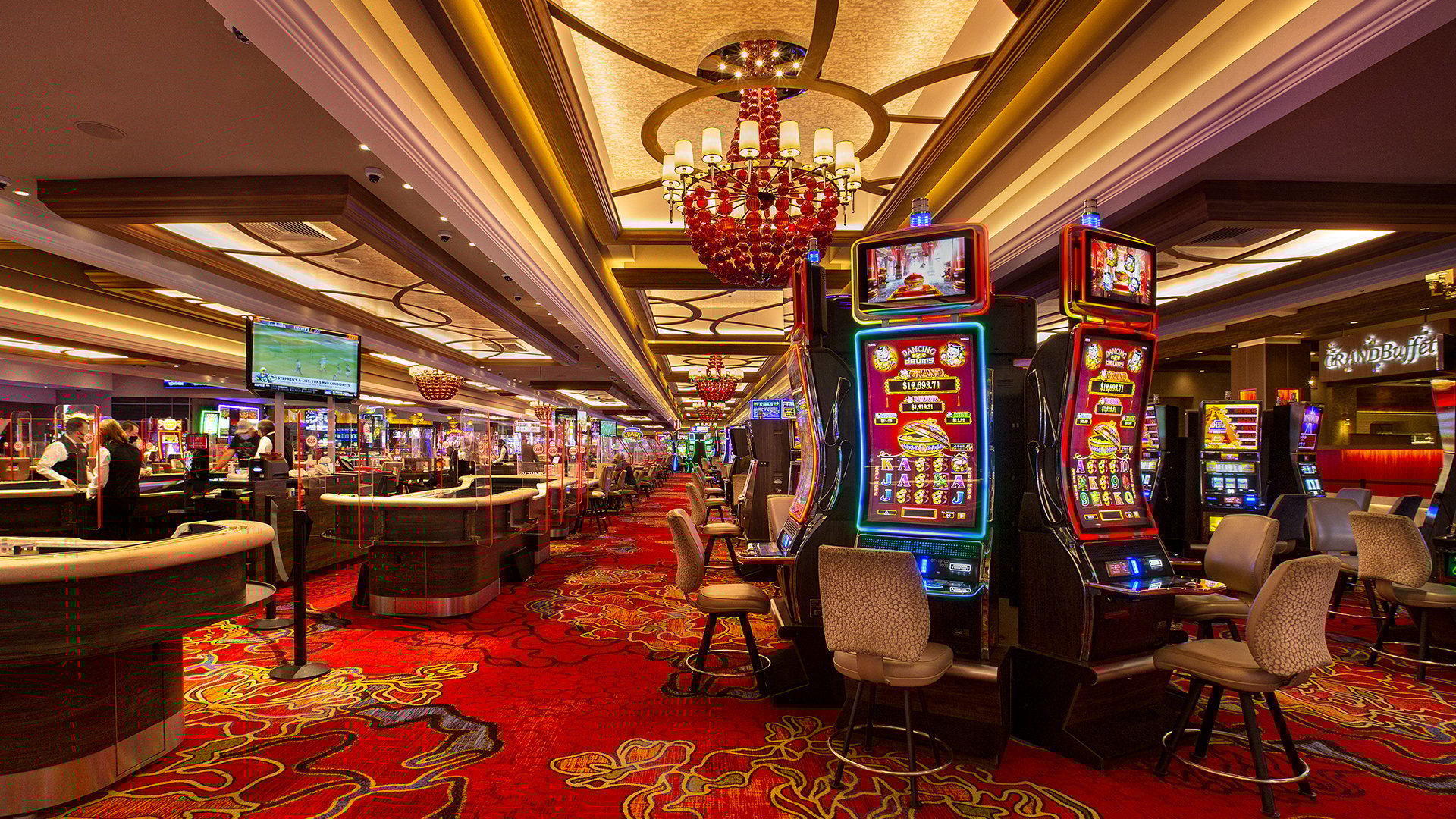
In ancient Rome, gambling was a popular pastime among both the elite and common citizens. The Romans developed more sophisticated games, and the construction of lavish gaming houses became common. This era not only solidified the concept of gambling as entertainment but also integrated it into social practices. In these venues, bets were placed on various games, ranging from chariot races to dice games, signifying the growing connection between gambling and social gatherings.
With the fall of the Roman Empire, gambling faced fluctuating periods of acceptance and prohibition. Throughout the Middle Ages, church authorities condemned gambling due to its association with greed and moral decay. However, the desire for games of chance persisted. This led to the clandestine continuation of gambling activities, setting the stage for the evolution of organized gaming establishments in the future.
The Rise of Formal Casinos
The first formal casinos emerged in the 17th century in Europe, particularly in Italy. The term ‘casino’ originated from the Italian word ‘casa,’ meaning house, indicating a place of entertainment. One of the earliest known casinos was the Ridotto in Venice, established in 1638. This venue allowed patrons to enjoy a variety of games in a controlled environment, laying the groundwork for the modern casino. The establishment of formal casinos marked a significant shift from informal gambling, bringing regulation and social structure to the activity.
As the concept of the casino spread across Europe, so did the variety of games offered. The French casino culture introduced games like roulette and baccarat, which remain popular to this day. The luxurious ambiance of these establishments attracted the aristocracy, creating a space where gambling became intertwined with high society. The growth of casinos during this period reflects a cultural shift where gambling was no longer viewed solely as a vice but as an acceptable and glamorous activity.
The expansion of casinos continued into the 19th century, with the establishment of Monte Carlo’s Casino de Monte-Carlo in 1863, which set a standard for opulence and sophistication. This era also saw the emergence of casinos in America, particularly in Nevada. The Gold Rush attracted fortune seekers, leading to the founding of Las Vegas as a gambling hub. This transition highlighted the globalization of gambling culture and the diverse influences shaping casino environments around the world.
The Golden Age of Gambling
The mid-20th century is often considered the golden age of gambling, particularly in the United States. Las Vegas emerged as the epitome of the casino experience, attracting visitors from around the globe. This era was marked by the rise of extravagant resorts and themed casinos, such as the Sands and the Flamingo, which offered not just gaming but a complete entertainment experience. The incorporation of dining, live shows, and celebrity appearances transformed casinos into destinations rather than mere gambling houses.
The introduction of modern gaming technology played a pivotal role during this period. The invention of slot machines revolutionized the gambling experience, making it accessible to a wider audience. This new wave of gaming drew in those who may have previously avoided table games. The combination of technology and themed experiences created a dynamic atmosphere that solidified Las Vegas as the gambling capital of the world, setting a precedent for casino design and operation.
Moreover, the legalization of gambling in other states marked a significant expansion of the casino industry. Atlantic City became a prominent gambling destination, further diversifying the landscape of gaming in the United States. The cultural impact of casinos during this time is undeniable; they became symbols of aspiration and entertainment, ingrained in the fabric of American popular culture, and influencing films, music, and literature.
The Digital Revolution and Online Casinos
The late 20th and early 21st centuries witnessed a technological transformation that significantly impacted the casino industry. The rise of the internet paved the way for online casinos, enabling users to experience gaming from the comfort of their homes. This digital revolution has democratized access to gambling, allowing players from various backgrounds to participate. The convenience of online gaming has led to an exponential increase in the number of players, with online casinos offering a plethora of games ranging from poker to slots.
Online casinos have also introduced innovations such as live dealer games, which replicate the experience of traditional casinos while leveraging technology. Players can interact with real dealers in real-time, creating an engaging and immersive experience. This blend of technology and social interaction has blurred the lines between online and physical casinos, marking a new era in the gambling industry.
Despite the advantages of online gaming, challenges such as regulation and security concerns have emerged. Various jurisdictions have implemented strict regulations to protect players and ensure fair play. The continuous evolution of technology demands that both online and physical casinos adapt to maintain their relevance and attract new players. The integration of mobile gaming apps reflects this adaptability, allowing players to engage with their favorite games anytime and anywhere.
The Future of Casinos: Trends and Innovations
As we look towards the future, the evolution of casinos continues to be shaped by emerging trends and innovations. One significant trend is the focus on enhancing customer experience through technology. Virtual reality (VR) and augmented reality (AR) are anticipated to revolutionize the gaming experience, offering immersive environments that transport players to fantastical realms. These innovations could redefine the concept of gaming and broaden the appeal of casinos to a more diverse audience.
Additionally, sustainability is becoming a crucial aspect of the casino industry. As global awareness of environmental issues grows, many casinos are adopting eco-friendly practices, from energy-efficient lighting to sustainable sourcing of materials. This shift not only addresses environmental concerns but also appeals to a demographic increasingly focused on sustainability. Casinos that embrace these practices can enhance their brand image and attract conscious consumers.
Furthermore, the rise of cryptocurrencies and blockchain technology is set to impact the gambling industry significantly. Many online casinos are beginning to accept Bitcoin and other cryptocurrencies, providing players with anonymity and security in their transactions. This change could facilitate a more global and accessible gambling environment, leading to further evolution in how casinos operate and engage with their customers. The future of casinos is bright, with endless possibilities on the horizon.

About This Exploration
This article serves as an in-depth exploration of the evolution of casinos, tracing their journey through time and culture. From ancient practices to the modern digital landscape, casinos have continually adapted to societal changes and technological advancements. The narrative reflects the intertwining of gambling with human culture, emphasizing the role of casinos as not just places of chance, but as social and cultural hubs.
Understanding the rich history of casinos enriches our appreciation of these establishments today. Whether visiting a glamorous Las Vegas resort or engaging in online gaming, recognizing the cultural significance and evolution of casinos enhances the experience. This journey through time reminds us that casinos are more than just places to gamble; they are integral to our shared cultural narrative.